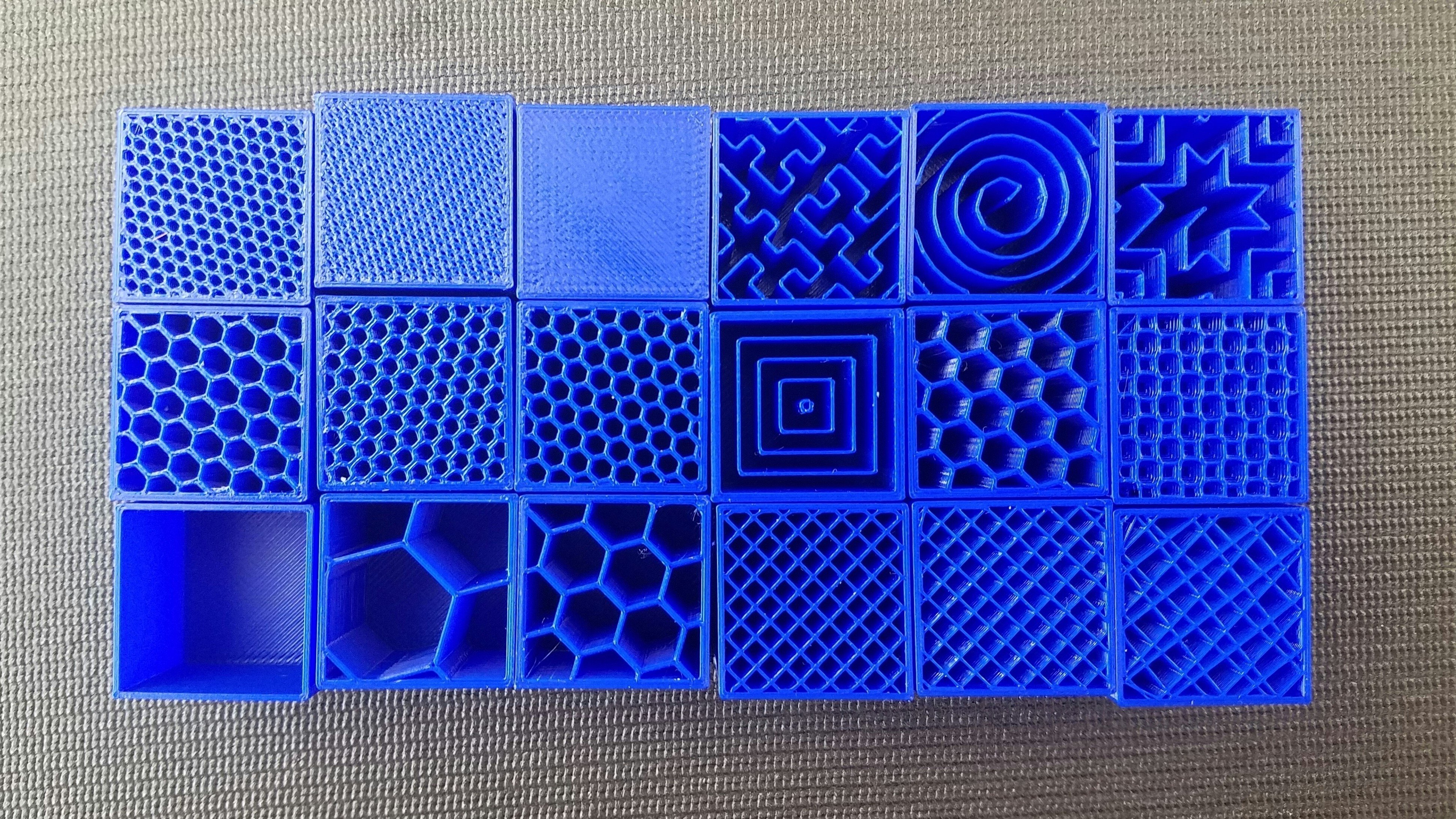
Why 3D Printing?
3D printing directly encourages the use of design based thinking in the classroom. Design thinking can be extremely beneficial in developing the cognitive abilities of student’s, directly relating to a students process of discovery, interpretation and experimentation (Stevenson, Bower, Falloon, Forbes & Harzigianni, 2019; Lin, Hsiao, Chang, Chien & Wu, 2018). Furthermore, the ability of being able to bring their imagination to life also increases the students interest in the subject. Studies has shown that students who were exposed to design technology such as 3D printing or design demonstrated a higher interest in STEM subjects (Meisel and Williams, 2015).
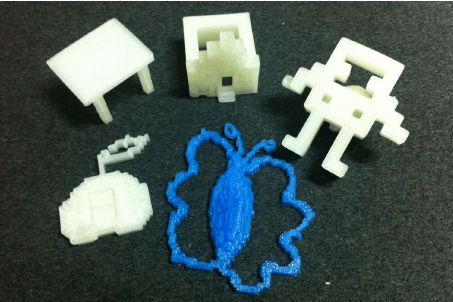
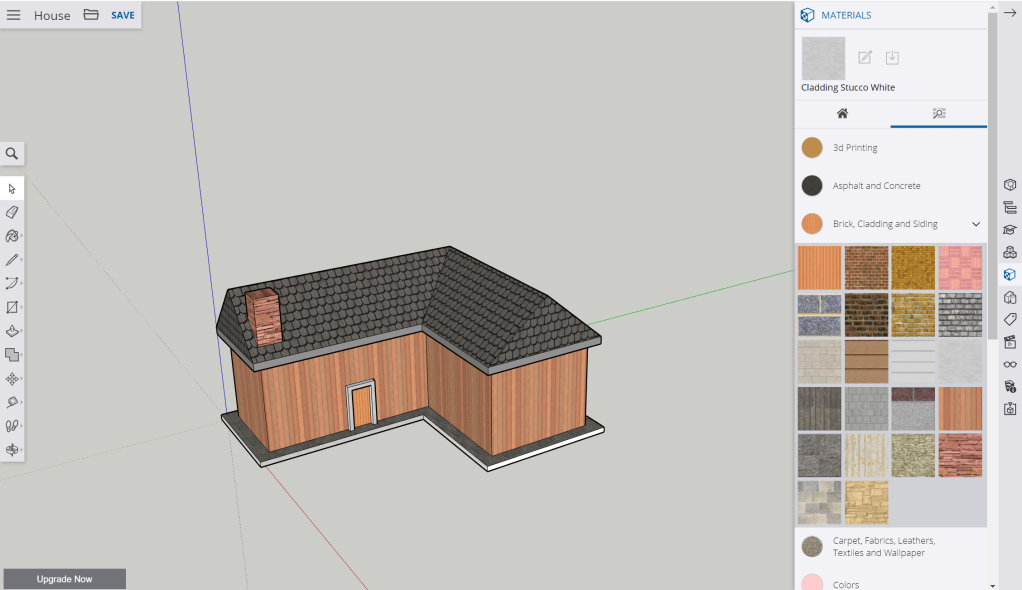
There are also numerous tools that allow students to freely design 3D objects and models, technology is frequently used in order to help facilitate design thinking and learning among students (Koh, Chai, Wong & Hong, 2015). With online resources such as SketchUp that can also provide students a forum to explore their imagination and foster their creativity.
Teachers can also benefit from 3D design and printing, a study by Novak & Wisdom (2018) found that primary teachers were hesitant in their ability to teach topics relating to technology and design. The technology and design based thinking tasks can also vastly increase the attitudes that teacher have towards subjects such as science and design (Meisel and Williams, 2015).
How can it be Implemented?
There are many ways to integrate 3D printing and design into learning, even by simply having a 3D printer within a school can motivate students to take interest. By having the opportunity to actually create and print something with a 3D printer, students were more incentivised to actually design their own models(Koh et al., 2015; Novak & Wisdom, 2018). A study conducted by Meisel and Williams (2015) found that when students had access to 3D printing technology, students in all grade levels were significantly more interested in learning about design and creating their own parts.
While the use of 3D printing can help facilitate student learning and creative thinking, it is important to properly manage the way the technology is introduced to the students and teachers. Stevenson et al., (2019) noted that it can be daunting for teachers to familiarise themselves with the new technology, however they quickly developed an eagerness to utilise 3D design and printing int he classroom. In order to properly integrate 3D printing and design in the classroom, it is important to manage the way students are exposed to the technology, in doing so encourges not only the students to be more active in STEM subjects, fosters their creativity and stimulates their cognitive functions, but also provides teachers a means of familiarising themselves with technology.
References:
Koh, J., Chai, C., Wong, B., & Hong, H. (2015). Design Thinking for Education: Conceptions and Applications in Teaching and Learning (2015 ed.). Singapore: Springer Singapore.
Lin, K. Y., Hsiao, H. S., Chang, Y. H., Chien, Y. T., & Wu, Y. (2018). The effectiveness of using 3D printing technology in STEM project-based learning activities. Eurasia Journal of Mathematics, Science and Technology Education, 14(12), Eurasia Journal of Mathematics, Science and Technology Education, 2018, Vol.14(12).
Meisel, N., & Williams, C. (2015). Design and assessment of a 3D printing vending machine. Rapid Prototyping Journal, 21(5), 471-481.
Novak, E., & Wisdom, S. (2018). Effects of 3D Printing Project-based Learning on Preservice Elementary Teachers’ Science Attitudes, Science Content Knowledge, and Anxiety About Teaching Science. Journal of Science Education and Technology, 27(5), 412-432.
Stevenson, M., Bower, M., Falloon, G., Forbes, A., & Hatzigianni, M. (2019). By Design: Professional Learning Ecologies to Develop Primary School Teachers’ Makerspaces Pedagogical Capabilities. British Journal of Educational Technology, 50(3), 1260-1274.

