What is VR?
Virtual reality is a way to create a completely virtual world, within this world, anything can be possible, and anything can be made. Not only does it provide a way for students to experience learning in a completely new environment, but also allows them to engage with the content (Kavanagh, Luxton-Reilly, Wuensche & Plimmer, 2017). Through this virtual world, students are able to experience almost anything, which can also be used to enhace their learning (Burkle & Magee, 2018; Kavanagh et al., 2017).

The virtual environment created can allow students to develop a greater understanding of the content they are learning, as is directly tied to constructionism (Boyles, 2017; Hussein & Nätterdal, 2015; Kavanagh et al., 2017). Even if they are learning something that they won’t have direct contact with in their everday life, virtual reality can change this, providing them a visible experience of anything, ranging from the entire solar system, to the tiniest bacteria (Burkle & Magee, 2018; Childs & Peachey, 2013).
How can we apply this to education?
While VR may seem like something that is only used for gaming, it can also be applied to education (Burkle & Magee, 2018). Not only will the implementation of VR help increase motivation and engagement among students, but it can also help facilitate contructionism in their learning, helping them build their skills and knowledge by interacting with the virtual world around them (Hussein & Nätterdal, 2015; Kavanagh et al., 2017).
There are many VR technology that can be used such as the Oculus, or the Google Cardboard, each allowing students to experience a virtual world that would normally be impossible to see (Boyles, 2017). Students would be able to dive into a virtual human body for science, or find themselves in various historical sites in history (Childs & Peachey, 2013; Hussein & Nätterdal, 2015). The applications of VR are vitually limitless, and only contricted by the programs that they use.
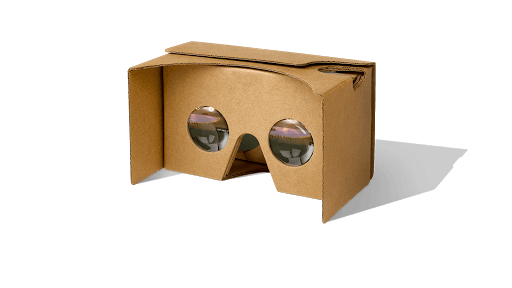
VR technology can be extremely beneficial to a students learning, allowing them to have an immerseive experience on the subject (Burkle & Magee, 2018). Students will be able to understand concepts better as they can physically interact with it inside the virtual world, that can be applicable to almost any subject (Childs & Peachey, 2013).
While VR has many benefits, most are also extremely expensive, and can be a financial burden to use. However certain VR technology such as the Google Cardboard are also available to use, while also being affordable (Boyles, 2017). While the integration of the technology can be difficult at first, it is also beneficial for the teacher, as it shift their role from delivering to knowledge, to facilitating the students learning process (Boyles, 2017; Kavanagh et al., 2017).
References:
Boyles, B. (2017). Virtual Reality and Augmented Reality in Education.
Burkle, M., & Magee, M. (2018). Virtual learning: Videogames and Virtual Reality in education (pp. 1067-1087).
Childs, M., & Peachey, A. (2013). Understanding learning in virtual worlds.
Hussein, M., & Nätterdal, C. (2015). The Benefits of Virtual Reality in Education A Comparison Study.
Kavanagh, S., Luxton-Reilly, A., Wuensche, B., & Plimmer, B. (2017). A Systematic Review of Virtual Reality in Education. Themes In Science And Technology Education, 10(2), 85-119.
 EDUC3620 - Digital Creative and Learning